We know more about our lives
than any people in history.

We don't know what any of it means.
Sasa

An experiment in modern meaning-making

Join the experiment  →
Read more
Sunlight on a tile floor
01 — The problem

Before the written record,
there was the myth.

It’s how we carried meaning forward when there was no other way.

Around fires, over seasons, in the face of loss, we told them differently each time: true stories that never happened.*

The Things They Carried, Tim O’Brien

But it wasn’t just storytelling;
it was a compression format.

It transformed the raw data of lived experience into meaning that could be shared. Even with those not there.

Now we’re in the age of personal data: records and transcripts and screenshots.

We save everything, but we don’t know why.

We’ve forgotten how to tell the stories we’re living in.

And when we can’t tell them, we can’t know where we’re going.
02 — The objective

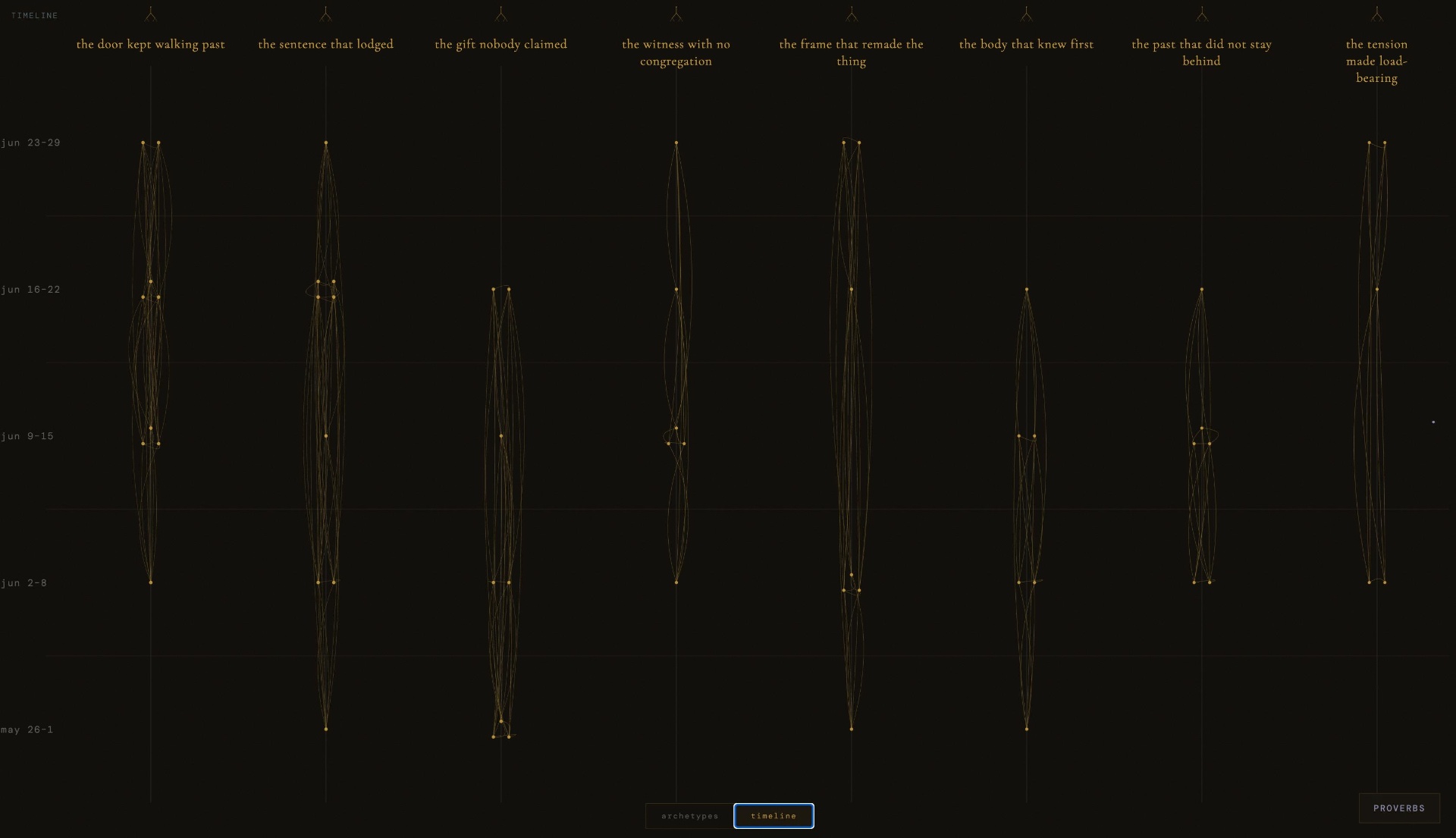
sasa looks for narrative patterns across recorded memories.

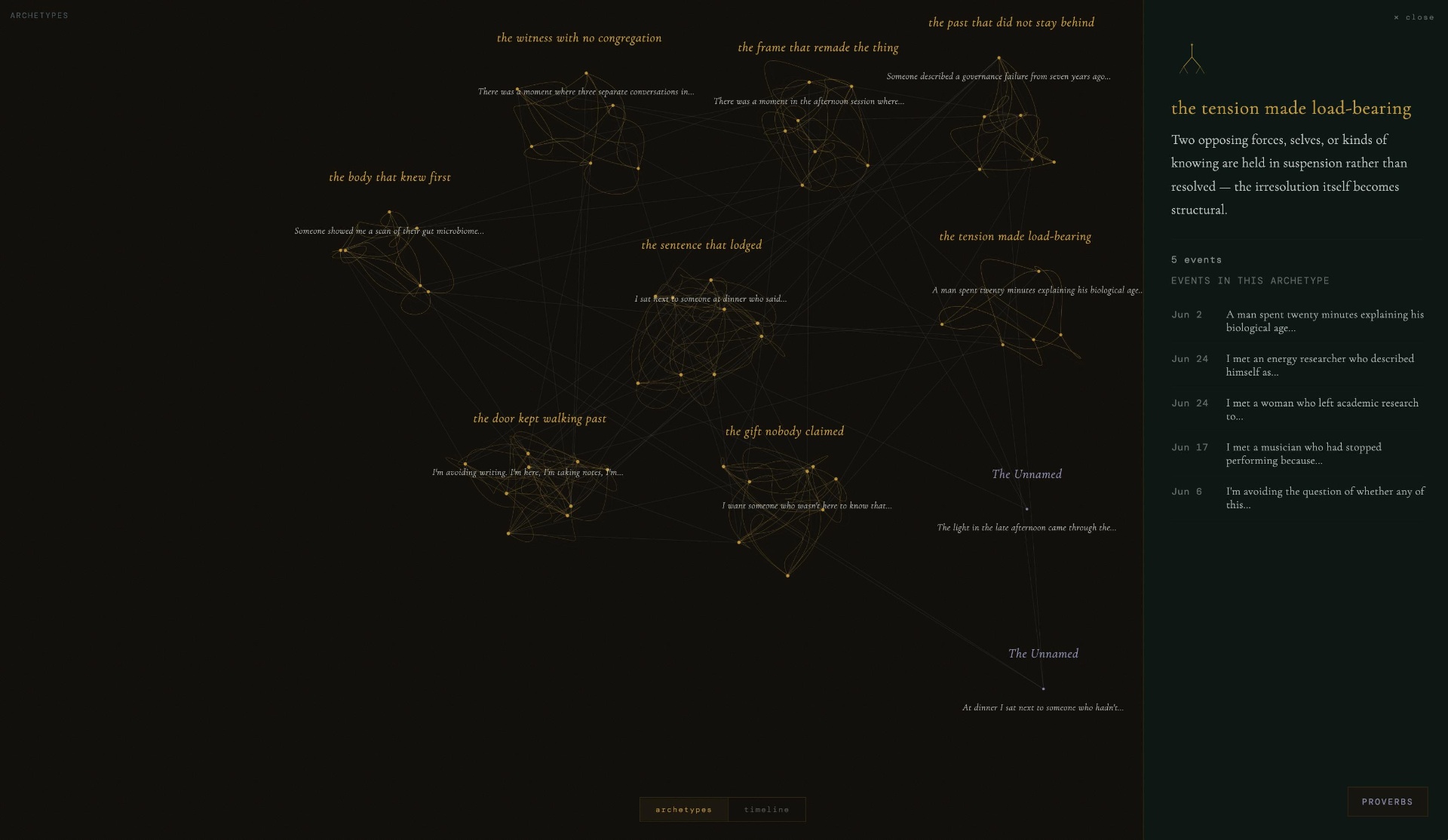
Trained on Joseph Campbell's archetypes of mythology, it identifies moments that rhyme with one another.

It then invites us to accept, reject or revise these patterns, turning them into archetypes, proverbs and ultimately, a myth that can outlive Esmeralda.

sasa archetype timeline
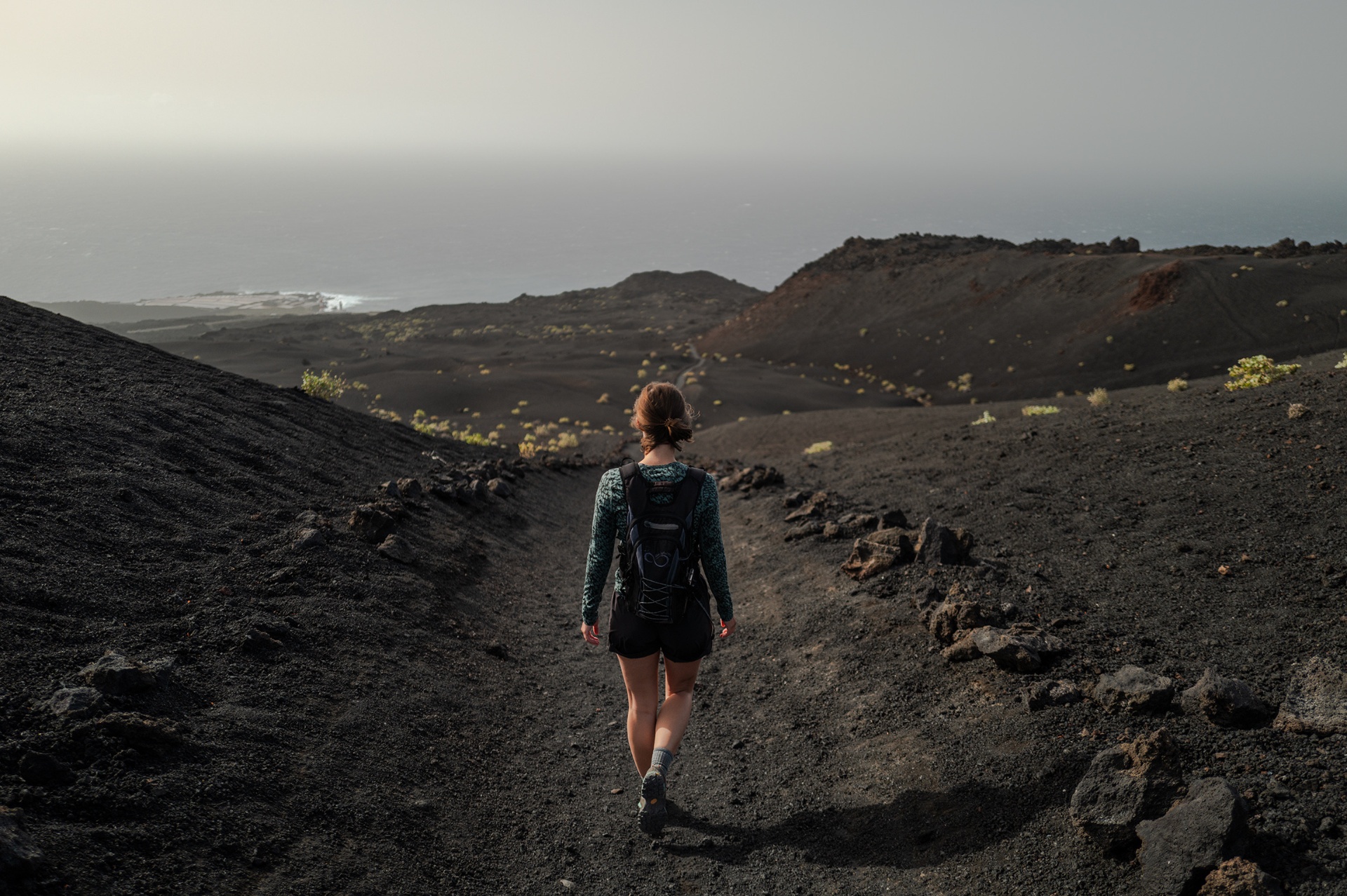
Black volcanic sand
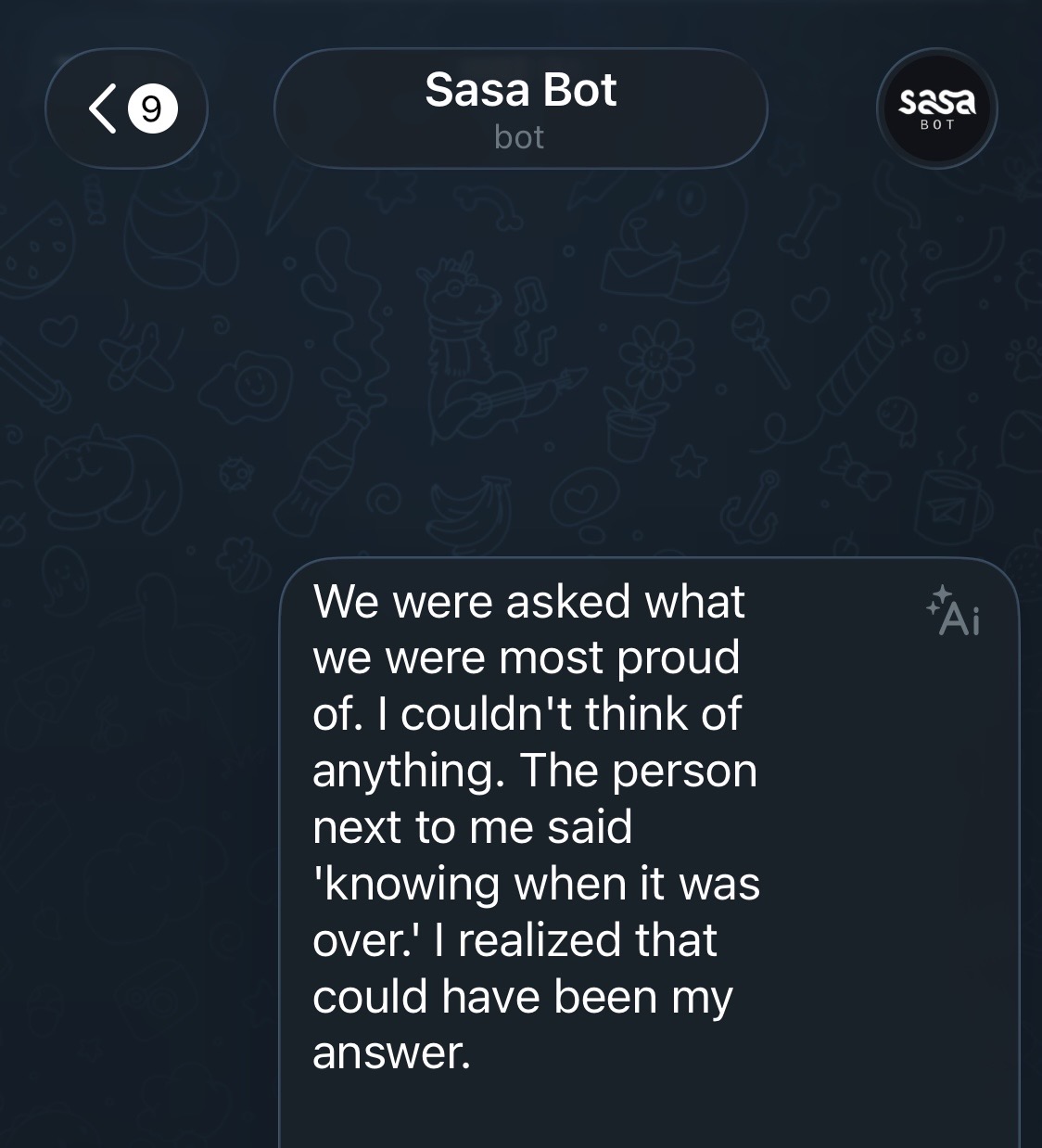
The sasa bot in Telegram
03 — The ritual

Participation is simple. You answer the same question every day vía Telegram bot:

What today felt interesting, strange or reminiscent of something else?

04 — Why Esmeralda

We're testing sasa here because the pop-up village has an advantage: it's more meadow than forest.

Fast growth, fast decay, fast seeding—the conditions for meaning to emerge quickly, if we can catch it before it breaks down.

Edge Esmeralda map
lent her my chargerwalked them to their gaterebooked to stay longercooked for new arrivalstook the long way backfixed his luggage strapstayed an extra nightshared a cabgave up my seatwent back for her jacket
almost skipped the talksat outside the roomboth circled backmissed the last trainpaused at the doorwayasked for directionsdoor was already opensaid goodbye twicewalked in latehesitated on the bridge
brought bread againstayed after the mealcooked without a reasonasked for the recipeset a place they might cometold the story againno one wanted to leavepassed the dish twicefed more than invitedtea after, always
swam before breakfastwoke before dawnriver walk, two hoursheld longer than expectednoticed the weight of itstood in the rainwalked the wrong directionthat particular coldlegs ached afterbody knew first
couldn't sleepsat with itdidn't speak first4am, stillno answer camemorning pages, no coffeelet the call ring outwhole city asleepwalked alone anywaynothing to report
Threshold
Refusal
Ally
Ordeal
Return
Shapeshifter
Long Journey
ZE Prime
Edge Tomorrow
Touch Grass
Futurative
The sasa archetype constellation
05 — Memory

Memory projects are often based on one fear: if we don't record it, it's lost forever. But that fear assumes loss is bad. We're not convinced it is.

Our memory is limited, so compression is necessary. Details must decay and compost. When they do, they give life to a story that outlives them.

“The myth is the public dream.”
— Joseph Campbell

Join the experiment.

Open to Edge participants only. Names will be cross-referenced before access is granted.

Request to join  →
Or follow along on Substack  →